



Scratch Games
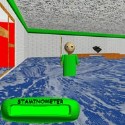
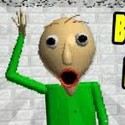
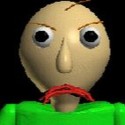
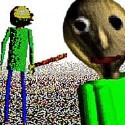
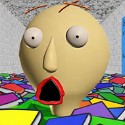
Scratch Games are built with a visual coding tool designed for learning, which makes the projects on this shelf surprisingly impressive. Fans have used it to recreate the classic school in first person, in top-down 2D and even as a complete version with every notebook and character. Each one runs light and loads quickly.
What Makes Scratch Games Special
Scratch was created to teach programming through blocks, not to build complex 3D worlds. That is exactly why Scratch Games stand out: creators find clever ways around the limits of the tool to deliver something close to the original experience.
The results are lightweight and accessible. Projects load fast and run on a wide range of devices, including older computers. They also open quickly in a browser tab, so a run can start within seconds of deciding to play.
For many players, these were the first versions of the school they ever tried. Some of them still return to these projects out of nostalgia, even after playing the full releases.
Three Styles on the Shelf
Scratch Games on the site fall into a few clear styles.
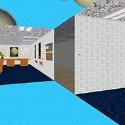
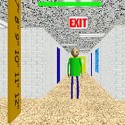
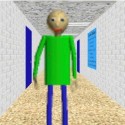
- First-person 3D projects recreate the walking view of the original.
- Top-down 2D projects show the whole map from above.
- Full recreations try to include every notebook, character and the final escape.
Each style offers a different experience, from tense corridor chases to calmer strategic planning. Picking the style that suits your mood is the easiest way to enjoy the shelf.
Trying all three is a good way to see how one idea can be adapted to different perspectives.
Strengths of Lightweight Projects
The biggest advantage of Scratch Games is accessibility. They start quickly, require no installation and run smoothly where heavier versions might struggle.
They also tend to keep the rules simple, which makes them a good introduction for beginners. Fewer systems mean fewer surprises, so the core idea of notebooks and noise is easy to grasp.
Short runs fit into small breaks, so you can enjoy a notebook hunt without setting aside much time. A single attempt rarely takes more than a few minutes from the first notebook to the final door.
Limits You Will Notice
Scratch Games trade detail for accessibility. Visuals are simpler, sounds can be shorter and some features of the original may be missing. Textures are flat, rooms are plainer and character animations are often reduced to a few frames.
Most players stop noticing these limits after a few minutes, once the familiar chase takes over. The ruler slap and the rising pressure work just as well in a simpler world.
Some prefer the full versions for atmosphere, but many appreciate the creativity behind these projects.
Learning Routes in Simpler Worlds
Because Scratch Games often use simplified maps, they are great for learning routes. Landmarks are easier to remember, and the top-down projects show the whole layout at once.
- Start with a top-down project to understand the map.
- Move to a first-person project to practice moving through halls.
- Try a full recreation to test everything together.
Skills learned this way carry over to the full versions on other shelves. Knowing the shape of the school makes the darker, detailed halls far less confusing.
Creativity Behind the Projects
Many Scratch Games are made by young creators learning to code. That gives the shelf a special charm, since each project shows someone's enthusiasm for the series.
Some players open these projects just to see how certain effects were built. The clever tricks behind a fake 3D hallway can be as interesting as the chase itself.
The community around them often shares ideas, remixes and improvements. That culture of sharing is why the shelf keeps growing with new takes on the same school.
Scratch Games on Older Devices
One practical reason players choose Scratch Games is hardware. A school computer, an old laptop or a tablet that struggles with heavier versions can usually run these projects without trouble. The simple graphics and small file sizes mean the run starts in seconds and stays smooth while the teacher closes in.
That reliability matters during a chase. A stutter at the wrong moment can end a run, and lightweight projects rarely suffer from it.
For players who share a device with family or play during short breaks, these projects remove most of the friction of getting started.
Exploring the Collection
The Scratch Games shelf connects to the horror, escape, mod and funny collections on Baldi's Basics Browser. If a Scratch project gets you hooked, the full versions offer more detail and atmosphere.
Each title page explains what the project includes, so you can choose between 3D, 2D and full recreations. The descriptions also mention which projects suit beginners and which ones expect experience.
New projects appear regularly, so the collection keeps growing.
From first-person halls to top-down maps and complete recreations, Scratch Games shows how far fans can push a simple tool. Pick a project, learn the route and enjoy a lightweight notebook hunt.