


























Escape Games
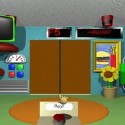
Escape Games ask one question from the first second: how do you get out? Here the answer usually involves notebooks, a school with locked exits and a teacher who gets faster every time you slip. This shelf gathers titles where collecting what you need and reaching the door matter more than anything else.
The Core Loop Behind Escape Games
Every entry in Escape Games follows a clear structure. You start somewhere closed off, find a set of objects that unlock the way out and then make a run for the exit while something chases you. The objects might be notebooks, sticks for a campfire or keys hidden around a building, but the rhythm stays familiar: search, collect, escape.
What makes the shelf interesting is how differently each title handles that loop. Some keep the map fixed so you can memorize it, while others add new areas, new characters or even other players sharing the same school.
That variety means you can play several entries back to back without feeling like you are repeating yourself. Moving from a fixed classic map to an expanded remake feels like visiting the same building after a renovation.
Remasters, Remakes and Lost Builds
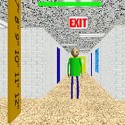
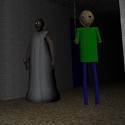
A large part of Escape Games consists of new takes on the classic school. Remastered versions clean up the visuals and add extra styles, while fan remakes rebuild the map with larger campuses and new troublemakers. Lost and early builds imagine what the school might have looked like before it became the version everyone knows.
- Remasters keep the original route but sharpen the look and sound.
- Fan remakes stretch the map and add new characters and items.
- Early and lost builds strip the school down and change the mood.
Playing a remake right after the original is a good way to notice how small changes affect your route. A single extra hallway can ruin a plan you have used a hundred times.
Planning the Exit Before You Need It
The most useful habit across Escape Games is thinking about the end of the run early. In almost every title here, the pursuer is at full speed during the final stretch, so the route to the exit should be clear in your head before the last pickup.
- Locate the exits during the calm first minutes.
- Collect the farthest objects first.
- Finish your collection near the first exit you plan to use.
- Keep a stamina item for the final sprint.
Players who follow this order rarely get trapped in a dead end at the worst possible moment. It sounds simple, yet most failed runs on this shelf end because the route out was improvised at the last second.
Escaping With Friends
Not every title on the shelf is a solo experience. Multiplayer Escape Games put several people in the same school, which changes the challenge completely. Objects can be split between players, but every door anyone opens makes noise, and one careless teammate can bring the chase to everyone.
Groups that talk constantly tend to do best. Calling out where the pursuer is and which rooms are finished saves a lot of time.
Even when a run goes wrong, the shared panic usually makes it memorable. Many groups end up laughing about the escape that went wrong far longer than the one that worked.
Outdoor Trips and Unusual Goals
Some Escape Games leave the school behind. A camping trip in the woods replaces notebooks with sticks for a campfire, and the goal becomes keeping the flames alive instead of finding a door. The forest has no doors to make noise, but darkness and identical trees make it easy to lose your way.
These variations keep the shelf fresh. The structure of search and return stays the same, yet the setting forces you to learn new landmarks. A dark forest can be just as confusing as a school corridor once the light starts to fade.
They also make good short breaks between longer school runs.
Why Players Keep Coming Back
Escape Games reward knowledge in a way few other genres do. Each failed attempt teaches you something specific, such as where a character likes to stand or which hallway loops back, and that knowledge makes the next run better.
That steady improvement is satisfying. A run that felt impossible on day one can become routine after a week of practice.
Speedrunners take this further, shaving seconds off routes they have played many times. Watching a practiced route is a good way to discover shortcuts you never noticed.
Finding Your Next Run
The Escape Games shelf sits alongside horror, mod, funny and Scratch collections on Baldi's Basics Browser. Each title page explains what sets that version apart, from the size of the map to the characters you will meet.
If you prefer short sessions, look for titles with compact maps. If you want a longer challenge, the expanded fan remakes offer more ground to cover.
New entries join the collection over time, so it is worth checking back for fresh schools to break out of.
From remastered classrooms to dark forest campsites, Escape Games offers many ways to collect what you need and run for the door. Learn the exits early, save your stamina and leave the school behind.