

Horror Games
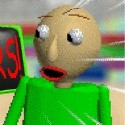
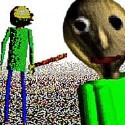
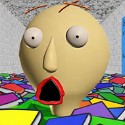
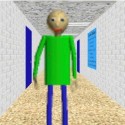
Horror Games on this shelf share one idea: a place that should feel safe turns against you. Here that place is usually a school, a teacher is usually the threat and a notebook is usually the reason you cannot just leave. Every title collected below builds tension from sound, darkness and the feeling that something is closing in.
What Ties These Horror Games Together
Most entries in Horror Games follow a simple loop. You explore a building, collect items or notebooks, avoid a pursuer and try to reach an exit. The details change from title to title, yet the pressure always comes from the same place: you are never fully in control, and the hunter usually knows more about the map than you do.
Sound does a lot of the work. Footsteps, a ruler slapping against a palm or a door creaking somewhere far away tell you more than the screen does. Many players keep headphones on for exactly that reason.
The shelf mixes official releases with fan projects. Some lean toward comedy with sudden scares, while others drop the jokes entirely and aim for slow dread.
How Fear Is Built Without Gore
Very little here relies on blood or shocking images. The fear in these Horror Games comes from anticipation instead. A hallway you have walked a dozen times becomes frightening the moment you hear something behind you, and a closed door feels dangerous when you know opening it makes noise.
- Sound cues warn you before a threat appears.
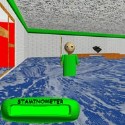
- Limited stamina stops you from running forever.
- Darkness and fog hide routes you thought you knew.
- Escalation makes each collected item raise the stakes.
This approach keeps the shelf accessible to a wide audience. You get scared because of what might happen, not because of what is shown.
Roguelike Schools and Fixed Maps
Two styles of level design appear across the site's Horror Games collection, and knowing which one you are playing changes your whole approach. Fixed maps never change, so you can memorize them and plan perfect routes. Roguelike maps are rebuilt from a seed every time, which means you learn rules rather than layouts.
Fixed maps reward patience and repetition. After a few attempts, you know where every notebook hides and which halls end in a dead end.
Roguelike maps reward adaptation. Floors grow, shops appear between levels and random events can change everything halfway through a run. The numbered Plus builds on this shelf belong to that second style, and each one feels slightly different from the last.
Choosing a Starting Point
If you are new to the shelf, start with something that keeps the rules clear. A familiar map and a single main threat make it easier to understand how noise, stamina and items work before the harder entries add more pressure.
- Begin with a build that has a small map and few characters.
- Move on to roguelike floors once you understand noise and doors.
- Try the darker fan projects after you know the basic loop.
- Save the longest climbs for when you can manage stamina well.
Following that order makes each step feel like a fair new challenge rather than a sudden wall.
Fan Nightmares and Corrupted Schools
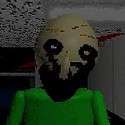
Some of the most talked-about entries in Horror Games come from fans. Dream versions of the school, creepypasta remakes and corrupted characters push the setting far away from its cheerful look. These projects often hide messages, glitches and small lore details that players love to discuss.
Fan-made Horror Games also tend to be harder to read. Twisted rooms and distorted sounds make it easy to get lost, and the familiar rules do not always apply.
That unpredictability is the point. When you cannot trust the map, even a short walk to the next classroom feels risky.
Playing Smarter, Not Faster
The common mistake on this shelf is running everywhere. Running drains stamina, makes noise in some titles and often lands you in the exact spot you wanted to avoid. Experienced players walk when they can, listen at every corner and save their sprint for the final stretch.
Another habit worth building is planning the exit before the last pickup. In nearly every title here, the end of a run is when the pursuer is fastest, and a clear route out is worth more than any item.
These habits carry over across Horror Games, so skills learned in one place make the rest of the shelf easier.
Where the Shelf Fits on the Site
Horror Games sits next to the other collections on Baldi's Basics Browser, and many titles here share characters, items and rules with entries on other shelves. If a run here feels too tense, the funny and mod collections offer the same school with a lighter tone.
Every page includes a description of what makes that particular title different, so you can choose a build that matches your mood before you start.
New entries are added over time, so returning visitors will often find a fresh nightmare waiting.
Whether you want a calm first floor or a corrupted school full of static, Horror Games has a version of the chase for you. Pick a title, put on headphones and listen carefully before you open the next door.